 English
 Română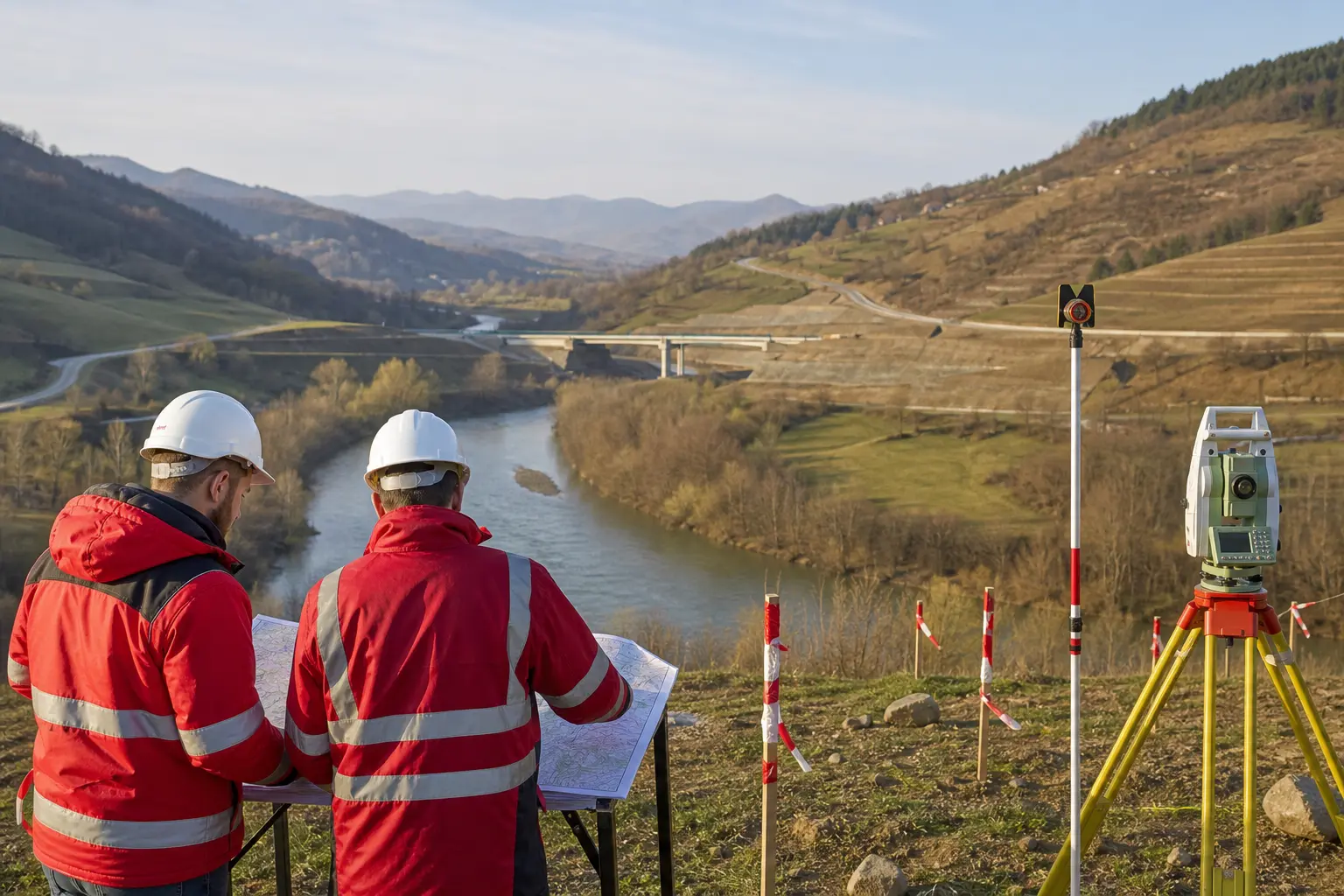
Most costly site problems begin when they are still small.
A reinforcement bar is displaced to make room for another trade. A drainage pipe is laid at a slightly different level. Concrete is scheduled before an embedded item has been checked. None of these situations looks dramatic at first. Once the work is covered or the next activity begins, correction can involve demolition, delay and an argument over responsibility.
Construction site supervision is valuable because it brings decisions forward. The supervisor does not wait for the finished work to reveal whether the process was controlled. Critical stages are checked while there is still evidence to inspect and time to act.
The best inspection may happen before work begins
Arriving only when an activity is complete limits what can be verified. Effective supervision looks ahead at the programme and identifies the stages where information, materials or approvals must be available.
Before an important activity starts, the site team may need to confirm:
- the latest approved drawings and technical details;
- the applicable method statement and inspection plan;
- the required qualifications, equipment and calibrated instruments;
- material identification and supporting performance documents;
- the survey control and dimensions from which the work will be set out;
- interfaces with other trades and items that must be embedded;
- the hold or witness points required by the project.
This preparation does not remove the contractor’s responsibility for execution. It allows the client’s supervision team to focus on the points that would be difficult to prove or repair later.
E-SFlows provides construction site supervision and technical monitoring for civil, structural, road, building-services and utility works.
What disappears from view deserves a clear record
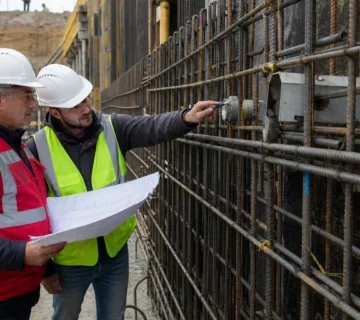
Foundations, reinforcement, buried networks, waterproofing and embedded components may be visible for only a short period. After concrete is poured, backfill is placed or a finish is installed, visual access is lost.
That creates a natural quality-control point. The inspection should be timed before covering, with enough notice to examine the work and resolve questions. Photographs are helpful, but they need context: location, date, drawing reference and a connection to the relevant record.
A photograph of steel reinforcement does not show whether it belongs to the correct foundation. A signed checklist without measurements may not show whether the geometry was checked. Useful evidence combines observation with traceable project information.
Supervision follows risk, not only routine
Every activity cannot receive the same intensity of inspection. The programme, complexity and consequences of failure should influence where attention is concentrated.
A first installation often deserves close review because it establishes the method for repeated work. An unusual detail, design change or difficult interface may justify additional checks. Repetitive low-risk work can be sampled, provided the process remains stable and the agreed quality plan is followed.
Risk-based supervision does not mean ignoring minor work. It means understanding which observations provide the strongest assurance and adjusting when defects or inconsistencies appear.
A deviation needs a decision, not an improvised repair
Construction does not always match the assumptions made during design. Ground conditions vary, existing services appear in unexpected positions and tolerances accumulate. The important issue is how the difference is managed.
A controlled process normally separates four steps:
- identify and describe the deviation accurately;
- protect the affected work from being covered or continued where necessary;
- obtain the appropriate technical assessment or designer’s disposition;
- verify and record the agreed corrective action before closure.
The supervisor should not redesign the work informally at the edge of the excavation. Nor should a site instruction be treated as approval for a change outside the issuer’s authority. Clear responsibility protects both the structure and the contract.
Material approval is not the same as installation approval
A product may arrive with identification, CE marking or performance information and still be unsuitable for the specific location if it does not meet the design specification or intended use. It may also be damaged, stored incorrectly or installed by a method that changes its performance.
The European Commission explains that the Construction Products Regulation provides a common technical language for assessing product performance. Its official Construction Products Regulation overview distinguishes reliable product information from the designer’s and user’s responsibility to select performance appropriate to the works.
On site, supervision connects the documents to the actual batch, condition, location and installation. That chain is especially important when products will no longer be identifiable after incorporation.
Levels, dimensions and interfaces cause quiet problems
Many defects are not failures of material. They are failures of position.
A chamber is built where it conflicts with the road edge. A sleeve is omitted before a wall is cast. A finished floor level leaves insufficient fall to a drain. A bearing seat differs from the geometry assumed by the structural element above it.
These issues are often visible only when drawings from different disciplines are compared with the set-out work. The site supervisor can help identify the conflict, but the project also needs timely coordination between designers, surveyors and the contractor.
For transport projects, early coordination with the road design and bridge design teams can resolve geometry questions before they become field changes.
Good supervision is firm, factual and proportionate
The supervisor represents the client’s quality interests without becoming the contractor’s site manager. That boundary matters.
Observations should describe what was seen, where it was seen and which requirement needs attention. Instructions should follow the authority defined by the contract and applicable legislation. Urgent safety or quality concerns may require immediate action, while routine comments can move through the agreed reporting system.
Language also matters. “This looks wrong” invites debate. A photograph, measured value, drawing reference and requested response create a decision that can be tracked.
Romanian quality obligations make continuous verification important
Romania’s quality-in-construction framework assigns responsibilities to the parties involved in investment, design and execution. The current form of Law no. 10/1995 on quality in construction, together with its subsequent amendments, should be checked for the specific project. A 2025 amendment expressly refers to the investor’s obligation to ensure verification of correct execution through specialised site managers or specialised consulting operators throughout the works.
The exact authorised roles, fields, records and procedures depend on the nature of the project and applicable regulations. This article is a practical overview, not a substitute for project-specific legal and technical advice.
What a client should receive from site supervision
The volume of paperwork is not the measure of supervision quality. The client needs information that shows what matters and what requires a decision.
- clear records of inspections and critical stages;
- a current register of observations, nonconformities and their status;
- evidence supporting work proposed for acceptance or payment;
- visibility of design questions and unresolved technical risks;
- notice of programme events that may compromise inspection;
- traceable records for changes, tests and accepted corrective work.
A useful report does not bury the project in photographs. It connects evidence to decisions.
Frequently asked questions
Does site supervision replace the contractor’s quality control?
No. The contractor remains responsible for executing and controlling its work. Client-side supervision provides independent verification within its defined role.
When should the supervisor be appointed?
Before construction starts, with enough time to review the project, quality arrangements, programme and critical inspection stages.
Can supervision stop work?
Authority depends on applicable legislation, authorisation and the contract. Urgent situations and nonconforming work should be handled through the powers and procedures established for the project.